Isadora gullov-singh: Traces we hold
September 12 - October 31, 2026
Opening Reception: Saturday, September 12th from 5-7pm
Gallery Hours: Tues - Sat 11am - 5pm
Minnesota Street Project, 1275 Minnesota St., San Francisco
re.riddle is pleased to present Traces We Hold, the debut solo exhibition of new work by Isadora Gullov-Singh. The opening reception is on Saturday, September 12th from 5-7pm. The exhibition runs through October 31, 2026.
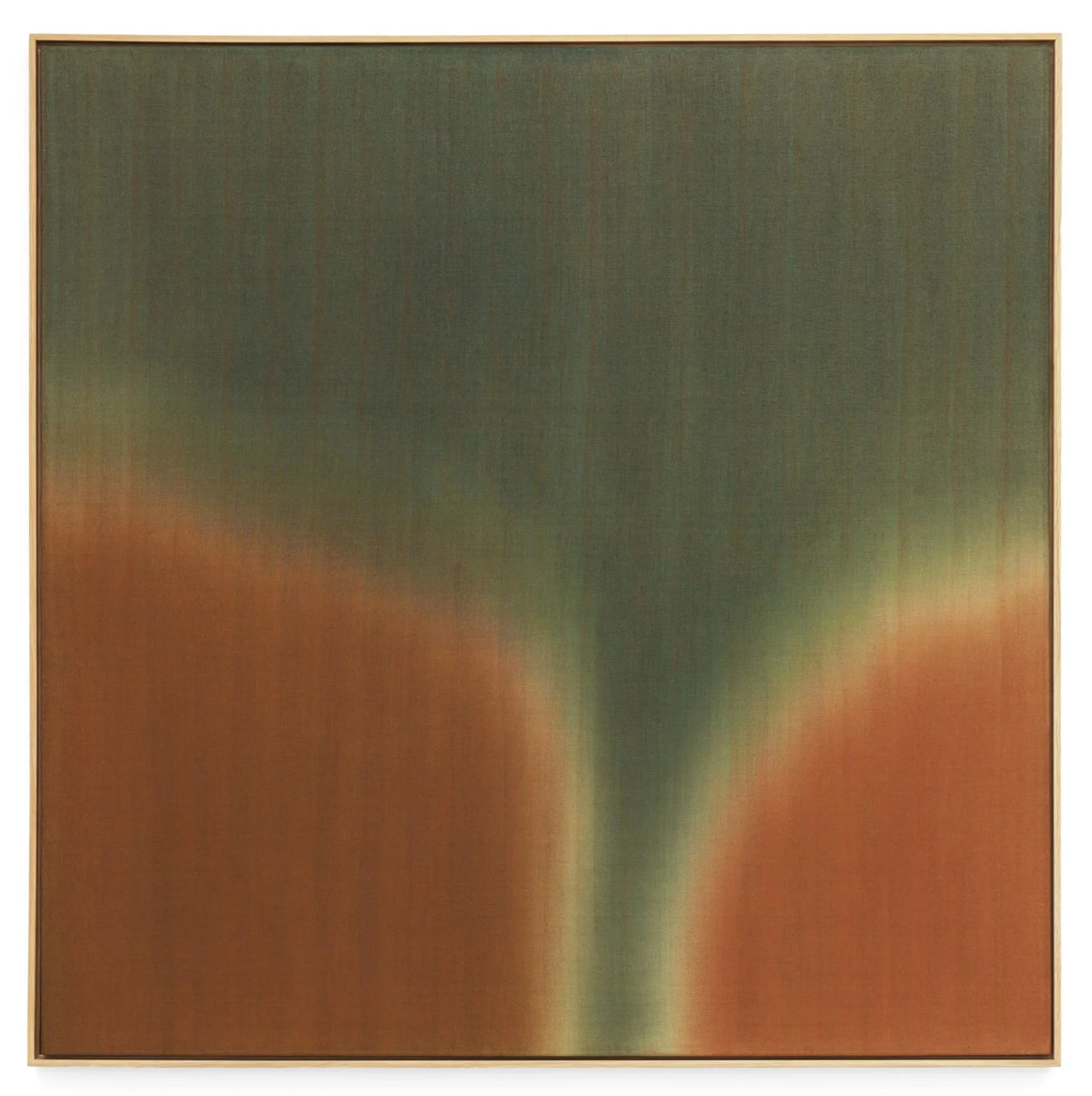
Isadora Gullov-Singh, Proximal Presence, Acrylic, pastels on linen, 48 x 48 in
EXHIBITION STATEMENT
How are memories held within us, and how do they become perceptible beyond recollection itself? Traces We Hold, the inaugural solo exhibition of new work by Isadora Gullov-Singh at re.riddle, centers on the artist’s relationship with her father, exploring the forms by which memory persists. Drawing from shared memories, Gullov-Singh reencounters the past through the distance of time. Central to this inquiry is the trace, a presence made perceptible through sensation and matter as temperature, vibration, and density.
A trace is the lingering that remains after a presence has departed. It is the residue of an encounter, an afterimage, the faint persistence of what once was. A trace possesses a peculiar presentness because it points toward an absence, hovering between recognition and disappearance. It may register in the contour of a color, the warmth of an afternoon, the angle of a street, or a fleeting sensation of proximity.
The artist returns to childhood experiences in Italy shared with her father, and to memories that remain bound to particular places, objects, details, colors, and sensory impressions. Gullov-Singh recalls one of her most cherished memories of childhood in Rome: the occasions when Bernini’s Fountain of the Four Rivers in Piazza Navona was closed for cleaning. Children would climb on the sculpture, and Gullov-Singh delighted in exploring its surfaces as though it were her own private play structure. Her painting When It Was Mine evokes this memory via felt traces of the heat of stone baking in the sun and the deep shadows in the sculpted crevices.
In Proximal Presence, Gullov-Singh returns to her father’s weekly visits to Caffè della Pace in Rome, where he would play chess. She would tag along, quietly entertaining herself, waiting on the edges of her father’s world. The painting holds the corner of that cafe building, the ivy cascading down its facade, and the uneasy stillness and acceptance of a child learning what it means to be near someone but not with someone. The memory becomes inseparable from the material world through which it was experienced.
This entanglement of memory and things recalls Yoko Ogawa’s novel Hisoyaka na Kessho, in which objects on an island inexplicably begin to disappear. As each thing vanishes, so too does the memory of its use, meaning, and presence. Ogawa gives uncanny material form to a familiar condition of remembering: memory often requires something in the world to fasten itself to. An object, building, surface, or place can become an anchor through which an experience remains accessible. When that material anchor disappears, the memory’s contours begin to loosen, allowing for the trace’s form and duration to transpose, expand, and deepen beyond the specificity of the original encounter.
To hold a trace of memory also acknowledges the precarity of remembering. Memory is partial, selective, subjective, and altered by every act of recollection. Gullov-Singh’s paintings ground these traces in a material and visual language. Built through layered acrylic washes on raw, unprimed linen, the compositions are worked over days until the surface acquires depth. Gullov-Singh pulls and rubs pastel into long, meditative freehand lines, responding to irregularities in the linen instead of overriding them. Delicate pigment falls away before the surface is traced again. Each passage partially obscures what came before while allowing portions of earlier marks to remain visible. Gullov-Singh allows the pigment to fall where it will, and the marks that remain are the ones the linen chooses to hold. The result is a kind of personal stratigraphy.
In Traces We Hold, Gullov-Singh contemplates memory as embodied sensation, where experience becomes entangled with the tangible, and endures as residue through which one person continues to inhabit the memory of another. Here, traces take shape as material form, giving the absent a temporary nearness, and where the faintest mark carries the weight of an entire relationship.
Artworks
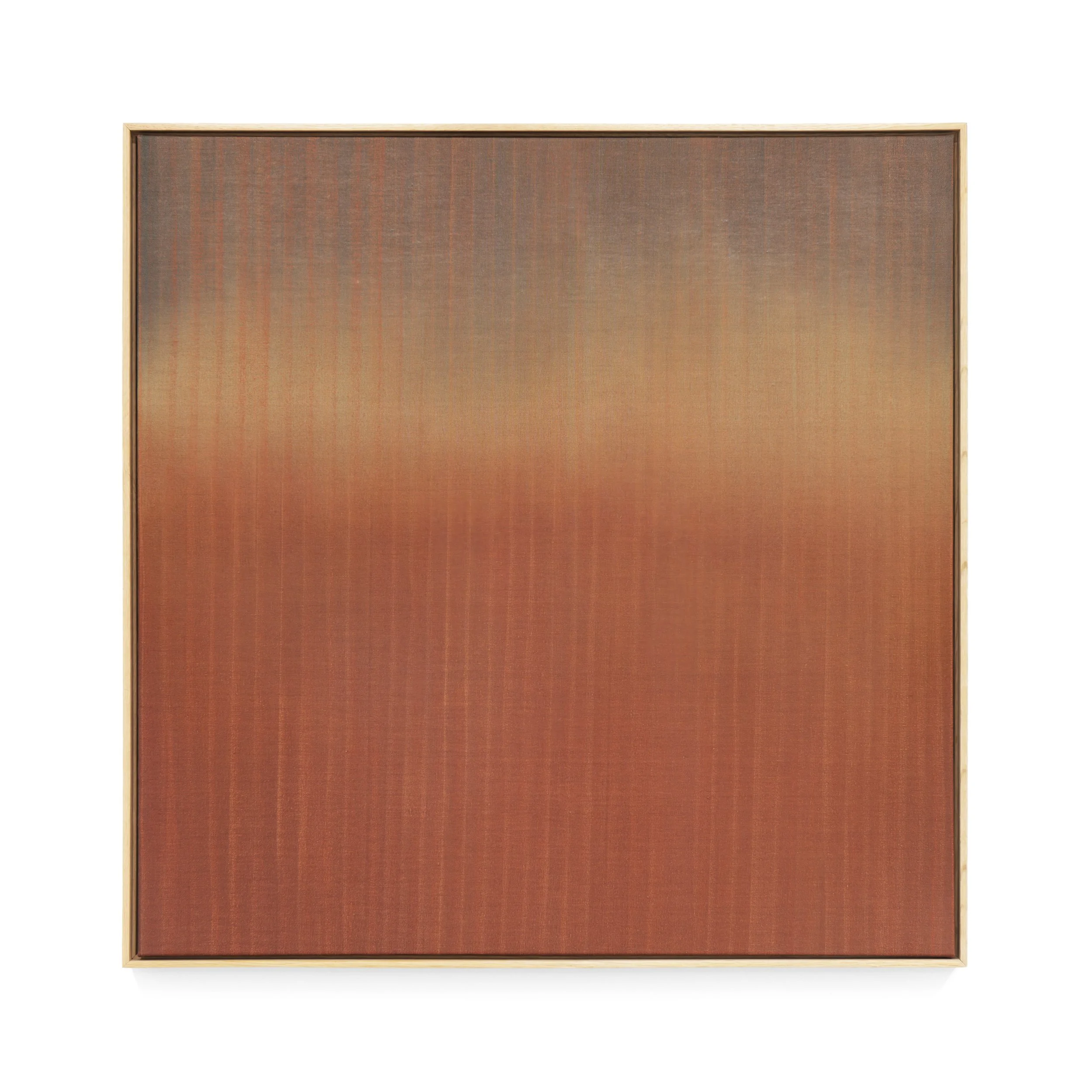
Isadora Gullov-Singh, Walls Between Us, Acrylic, pastels on linen, 36 x 36 in
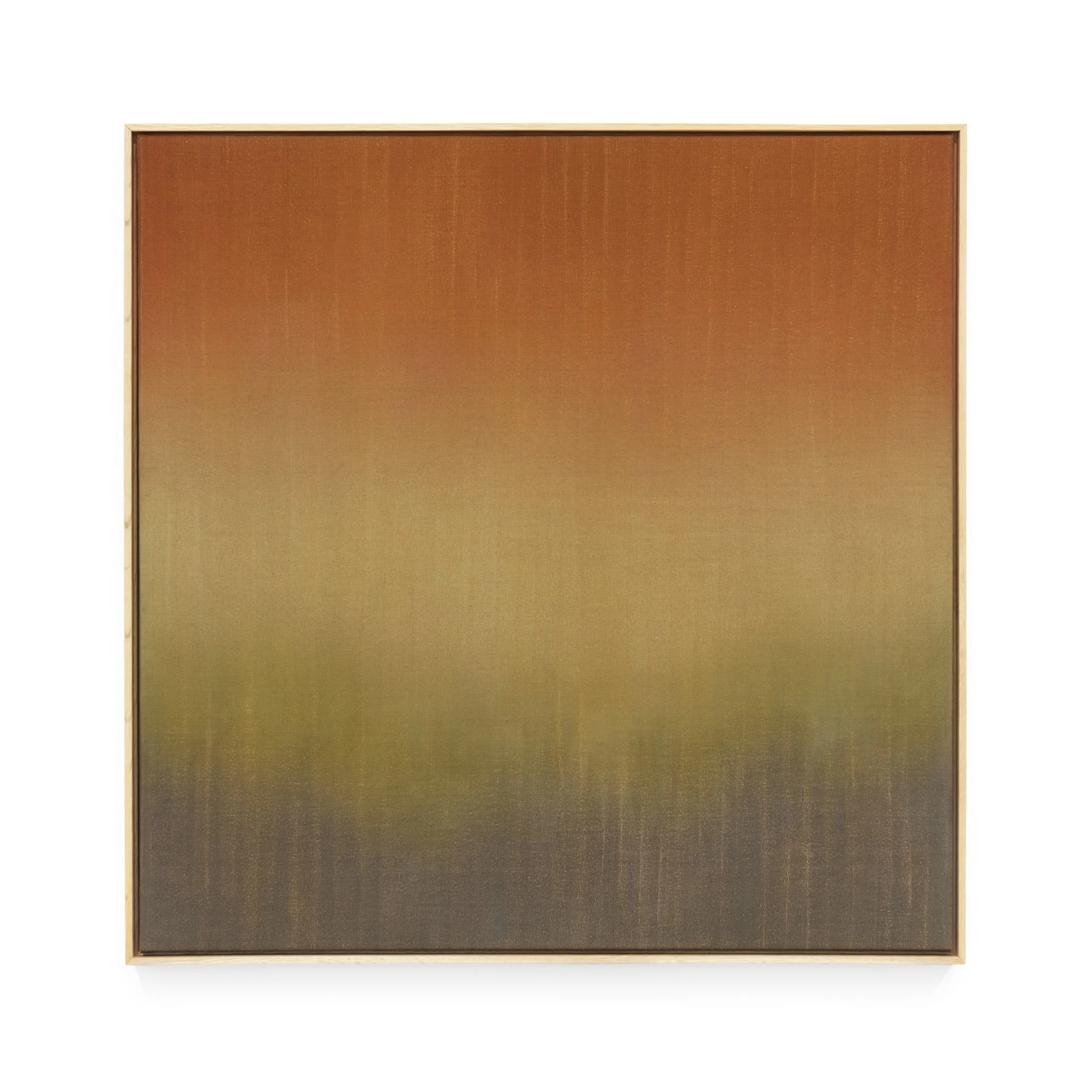
Isadora Gullov-Singh, Terraced Views, Acrylic, pastels on linen, 36 x 36 in
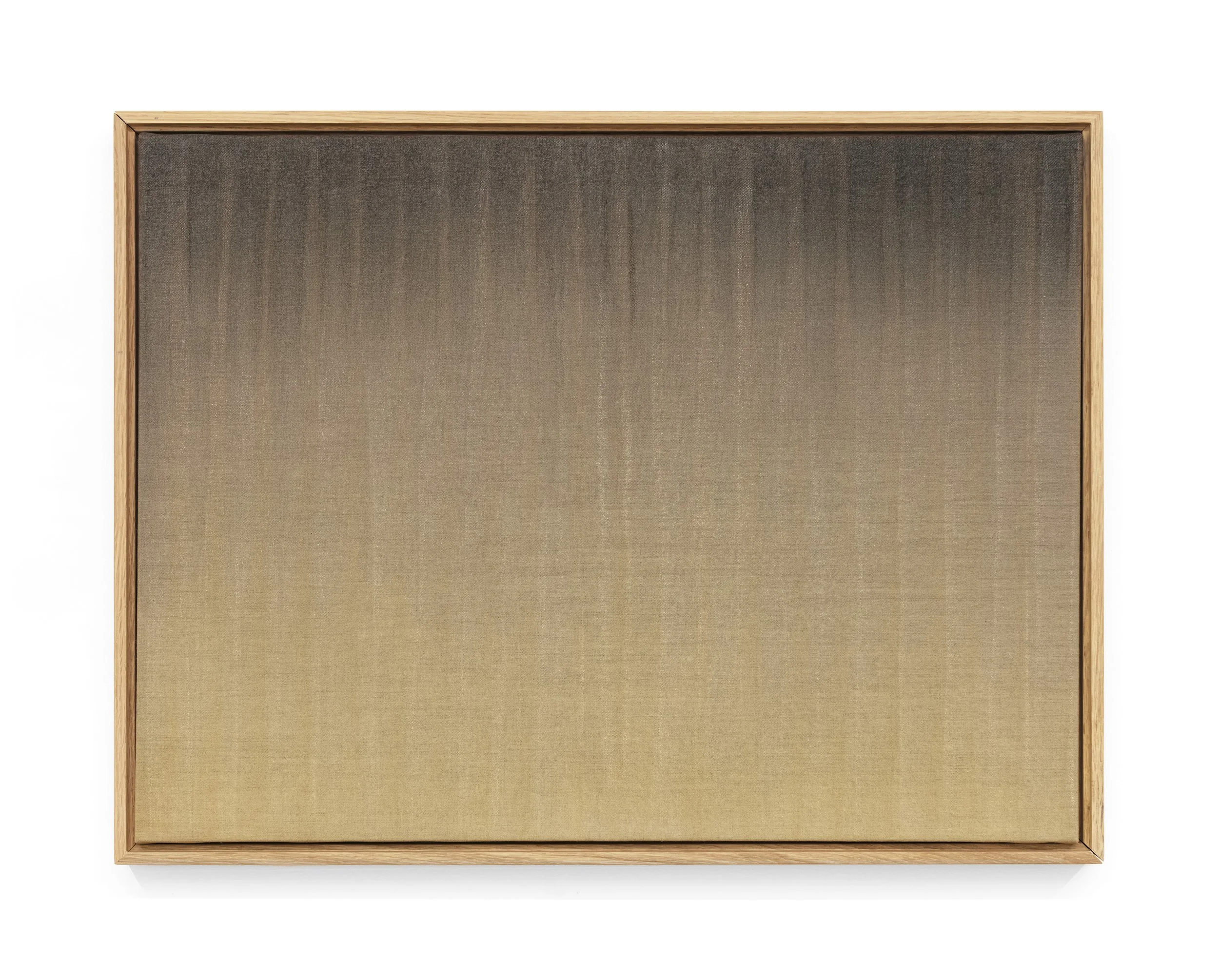
Isadora Gullov-Singh, When It Was Mine, Acrylic, pastels on linen, 18 x 24 in
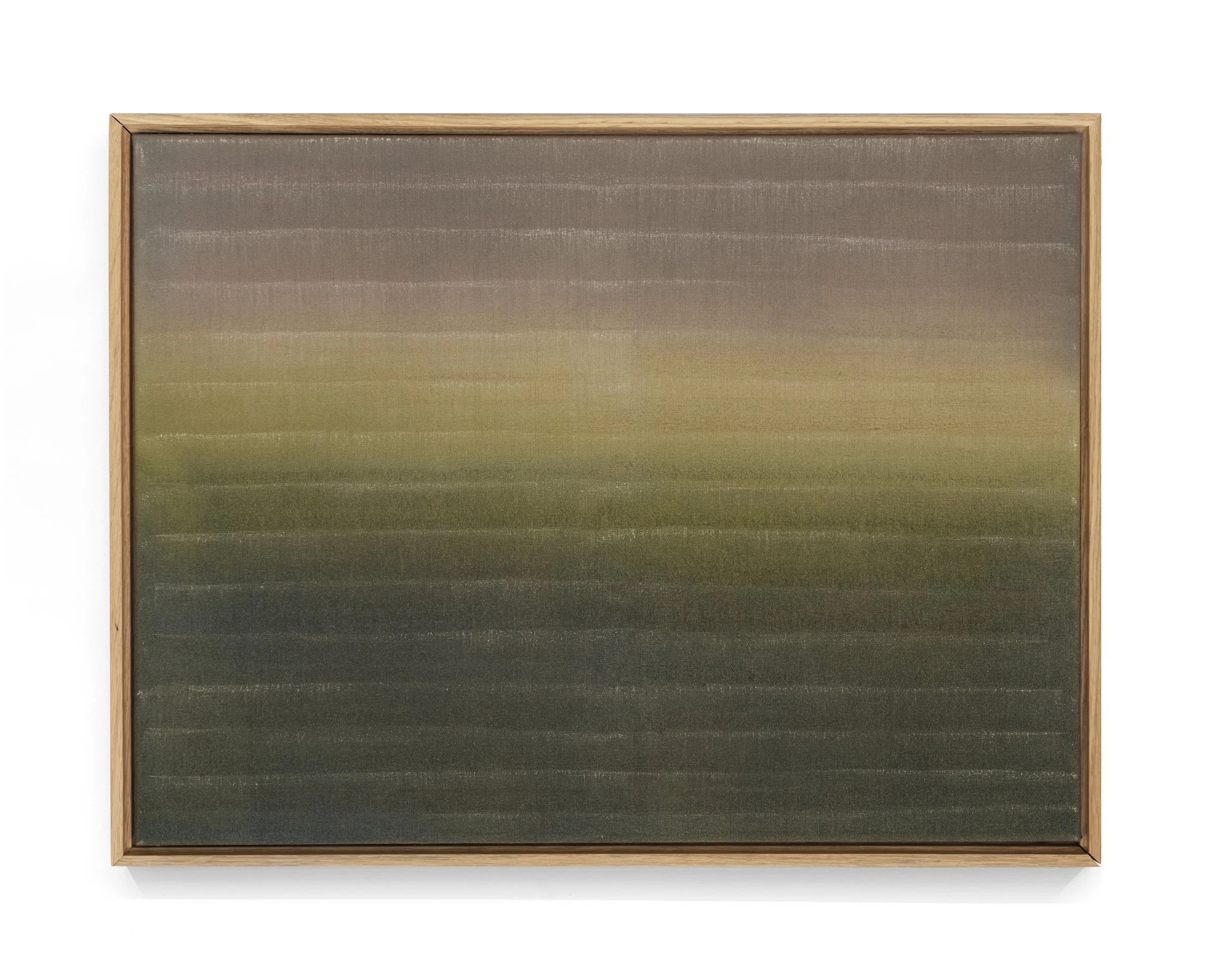
Isadora Gullov-Singh, Stormy Day, Acrylic, pastels on linen, 18 x 24 in
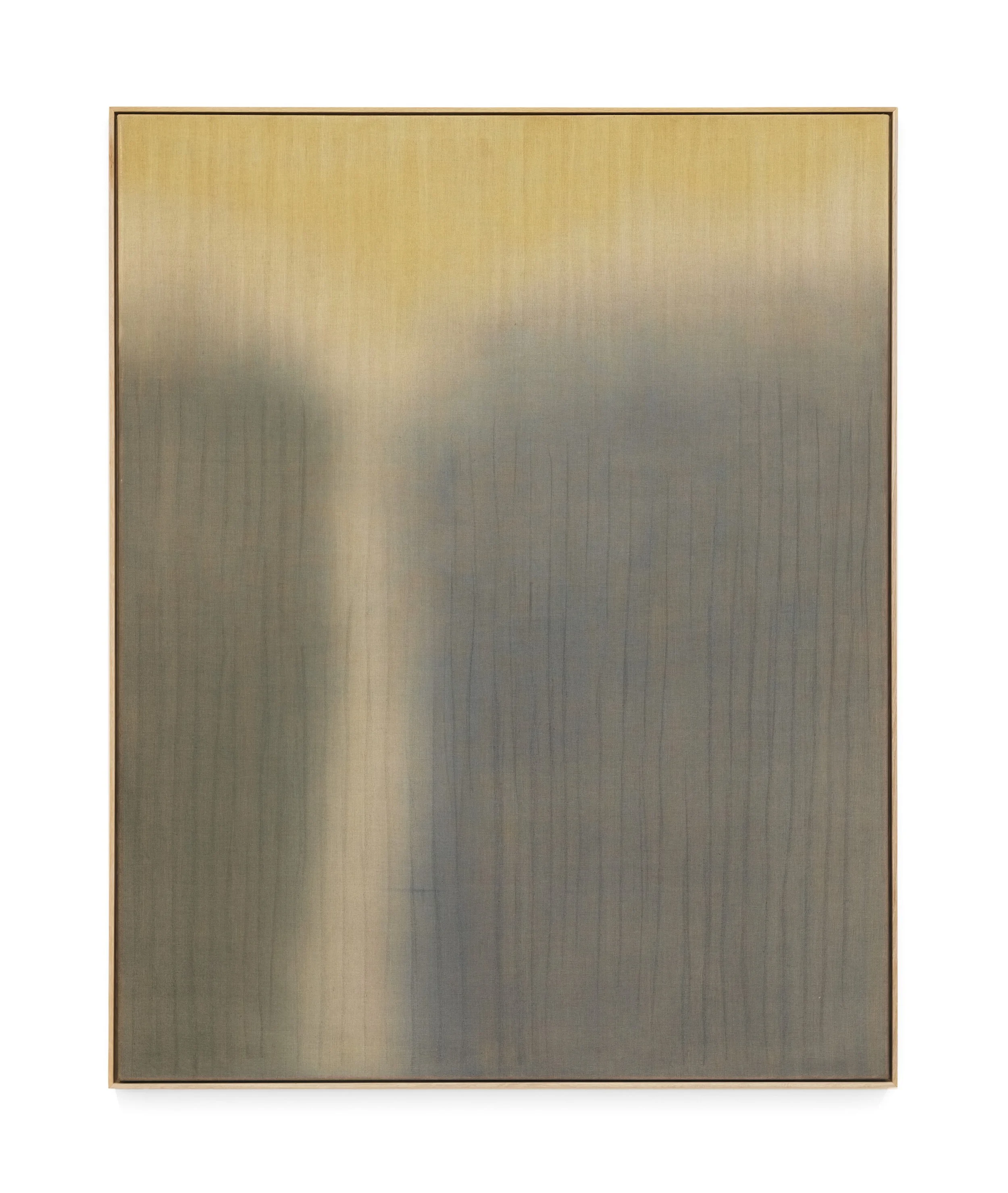
Isadora Gullov-Singh, Before Doubt, Acrylic, pastels on linen, 60 x 40 in
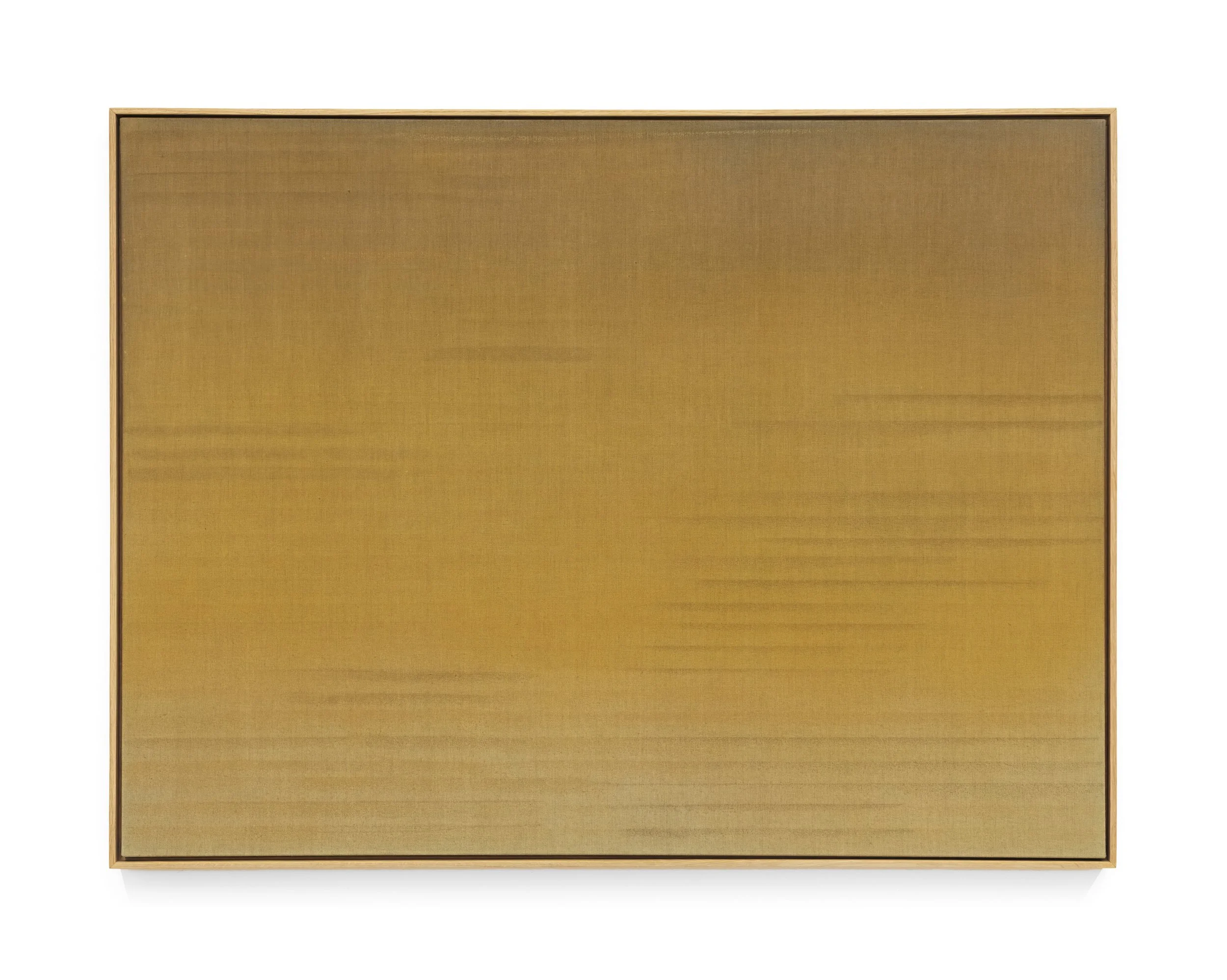
Isadora Gullov-Singh, Excavating Time, Acrylic, pastels on linen, 36 x 48 in
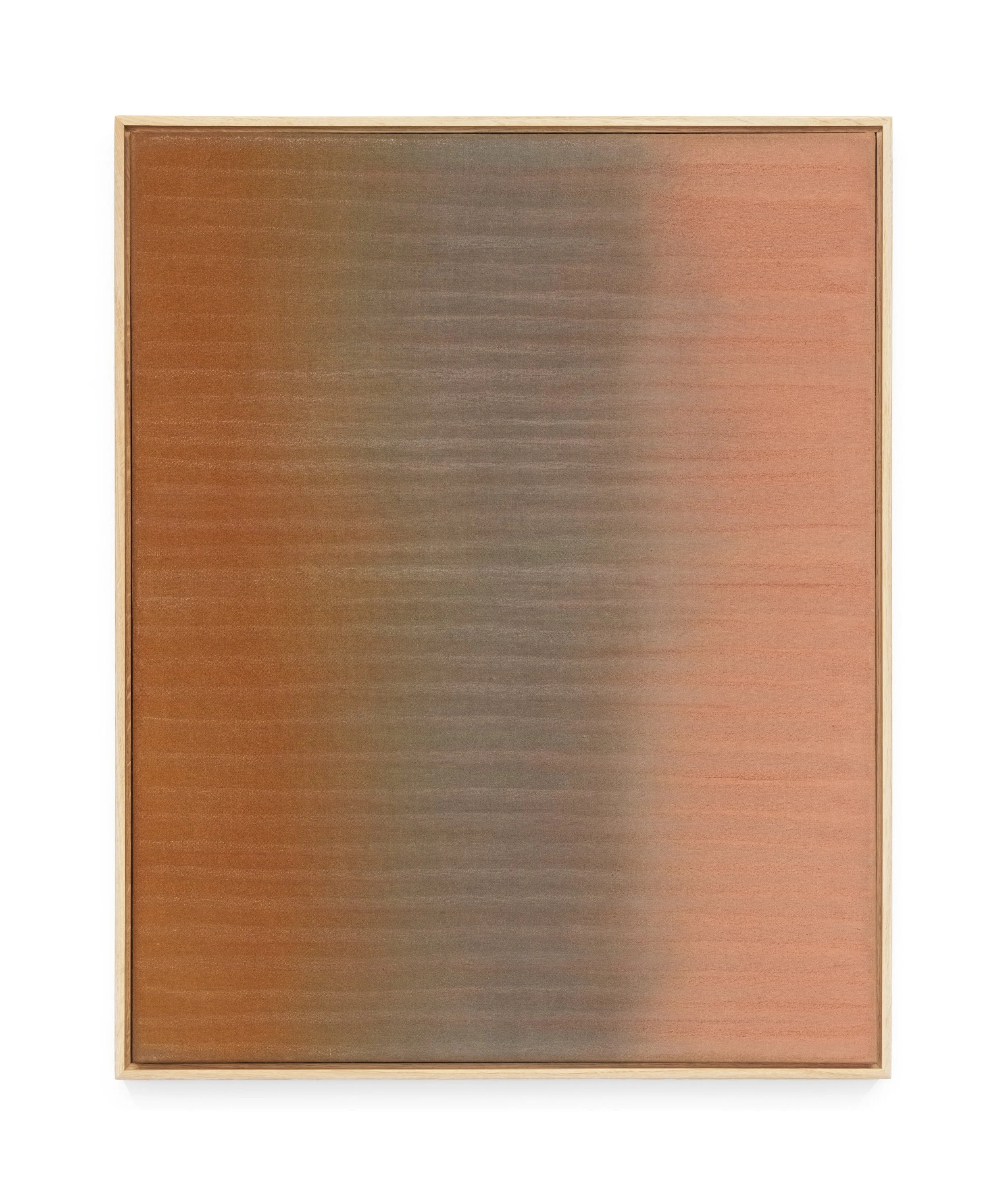
Isadora Gullov-Singh, Between Landings I, Acrylic, pastels on linen, 30 x 24 in
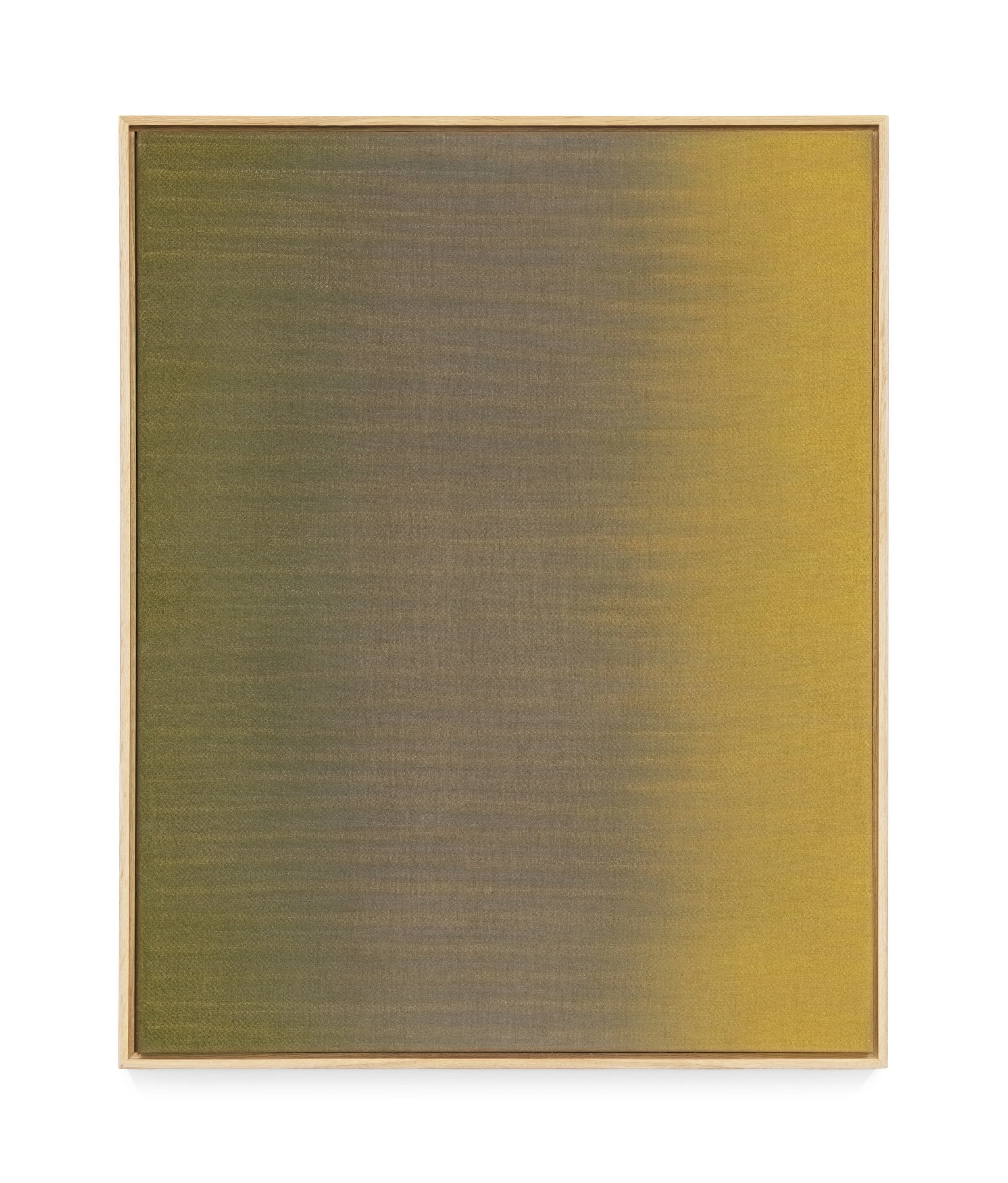
Isadora Gullov-Singh, Between Landings II, Acrylic, pastels on linen, 30 x 24 in
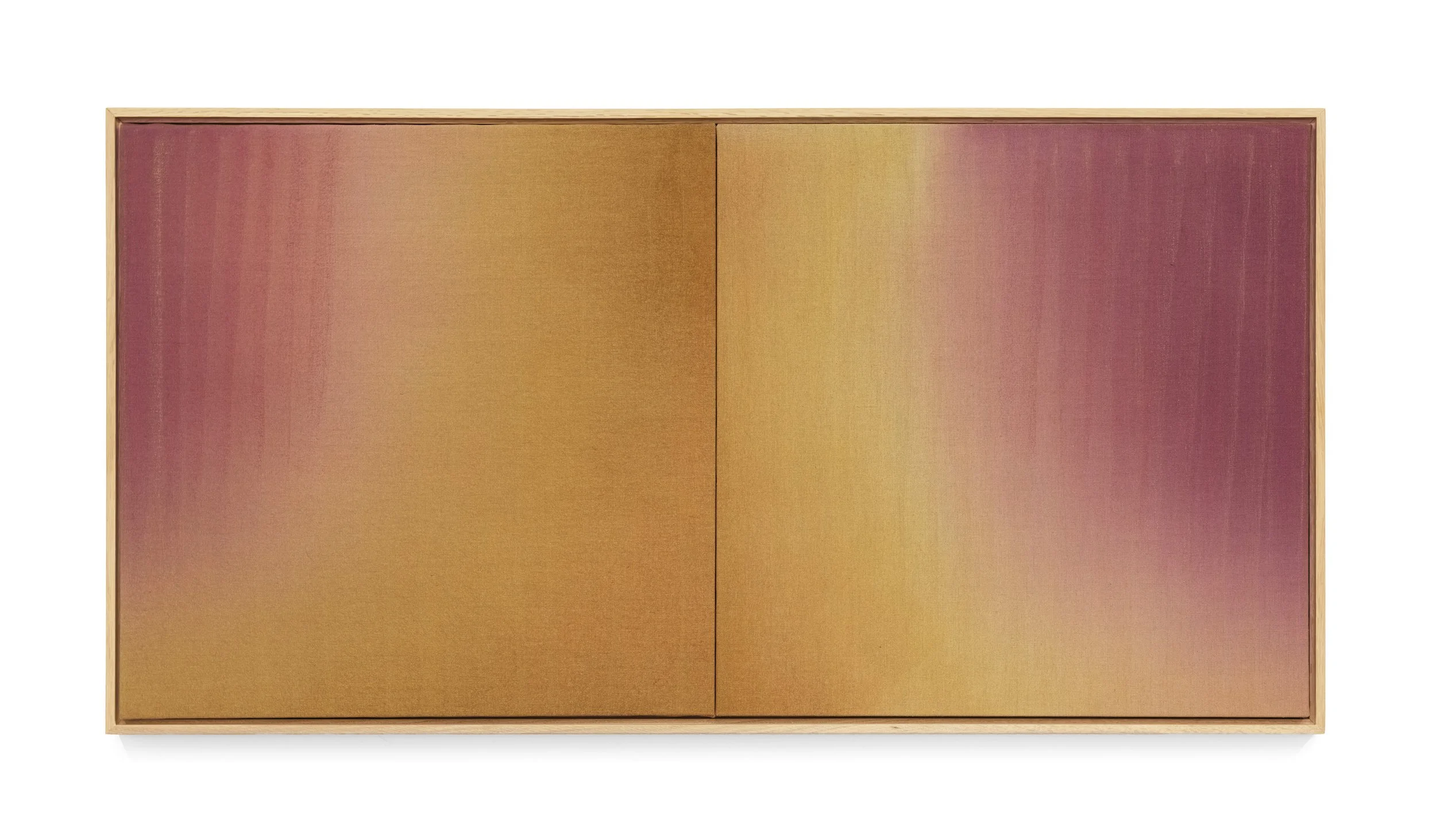
Isadora Gullov-Singh, Annual Return, Acrylic, pastels on linen, 20 x 40 in
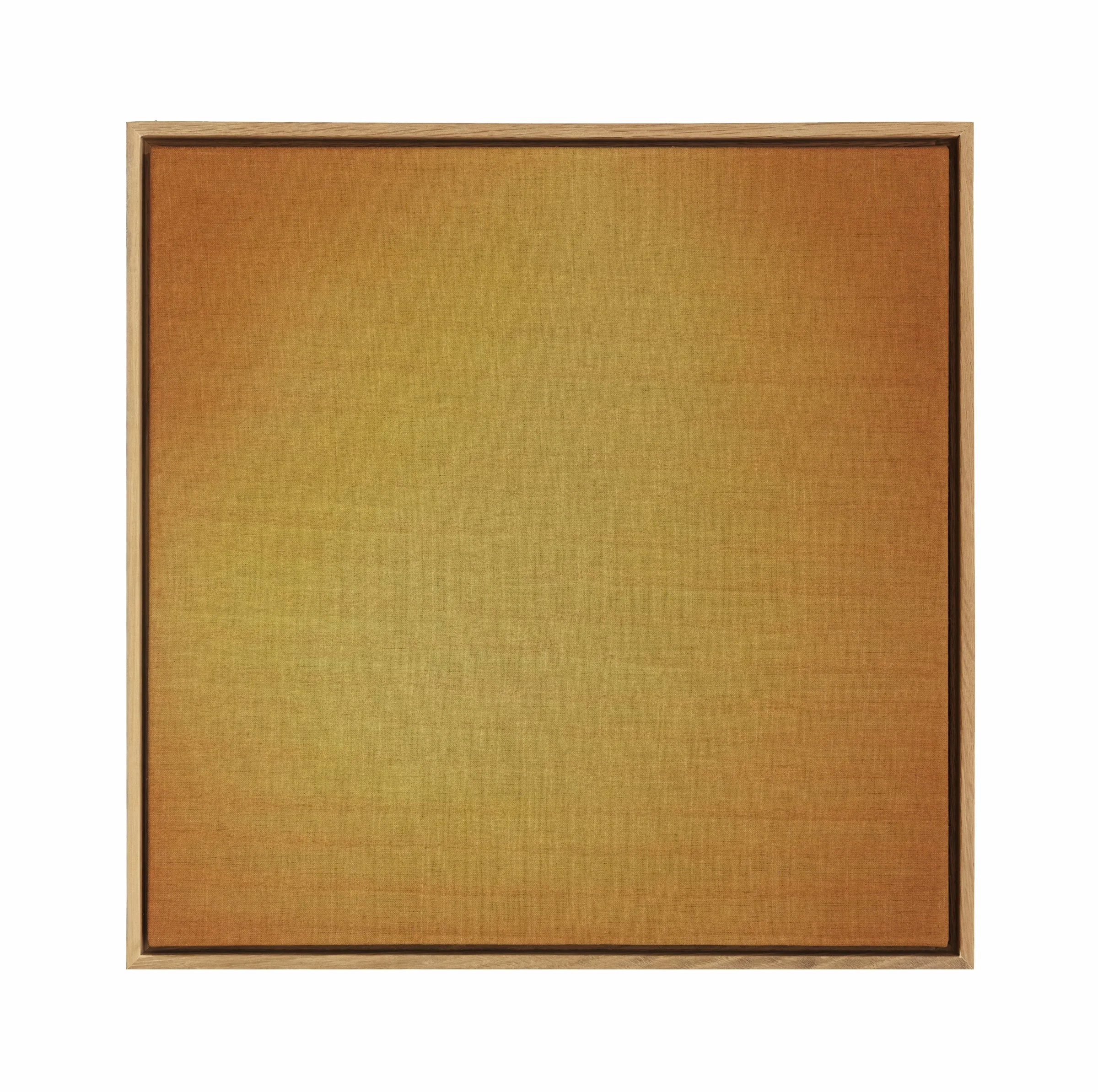
Isadora Gullov-Singh, Fragments Recovered I, Acrylic, pastels on linen, 18 x 18 in
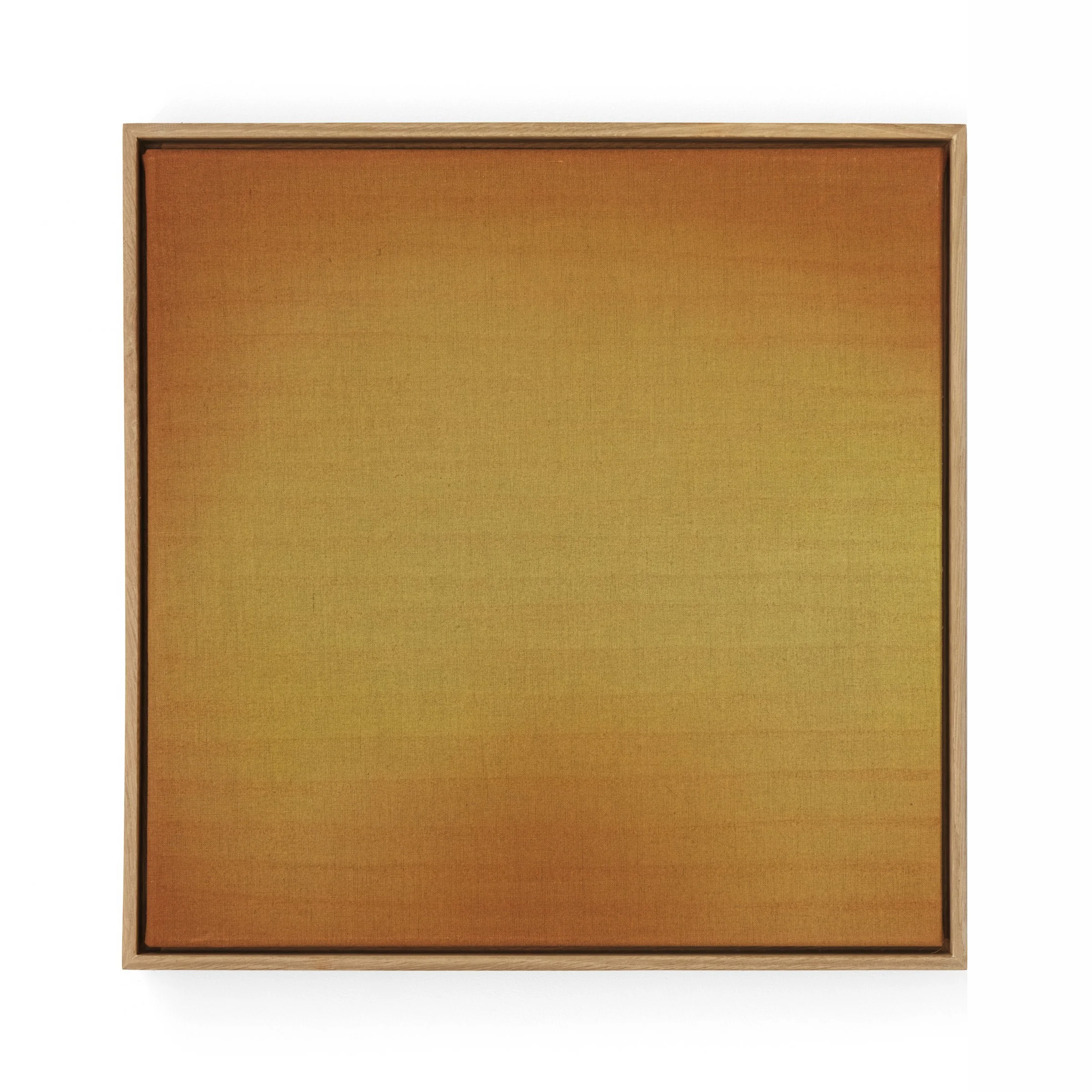
Isadora Gullov-Singh, Fragments Recovered II, Acrylic, pastels on linen, 18 x 18 in
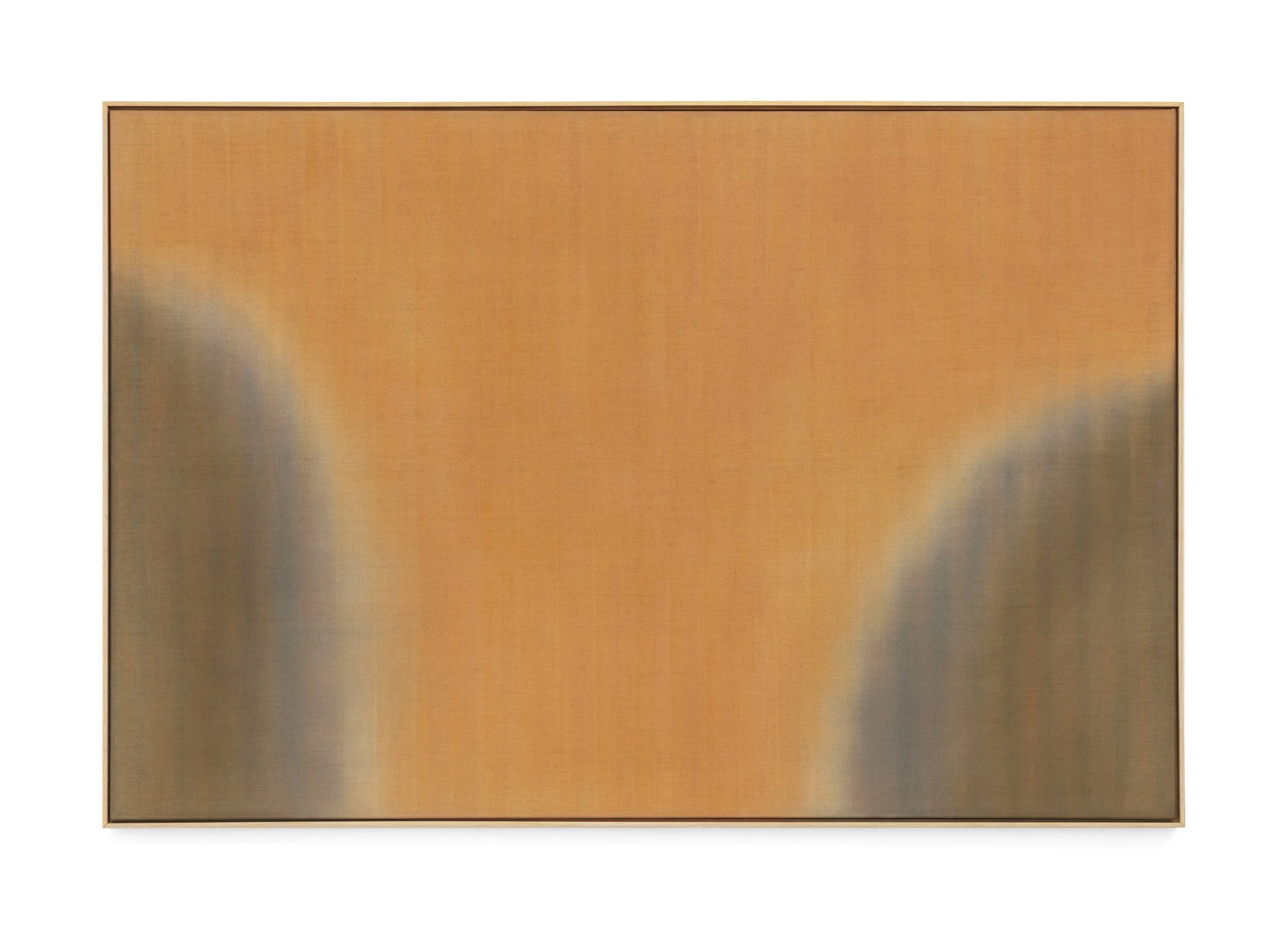
Isadora Gullov-Singh, Circling Back, Acrylic, pastels on linen, 48 x 72 in
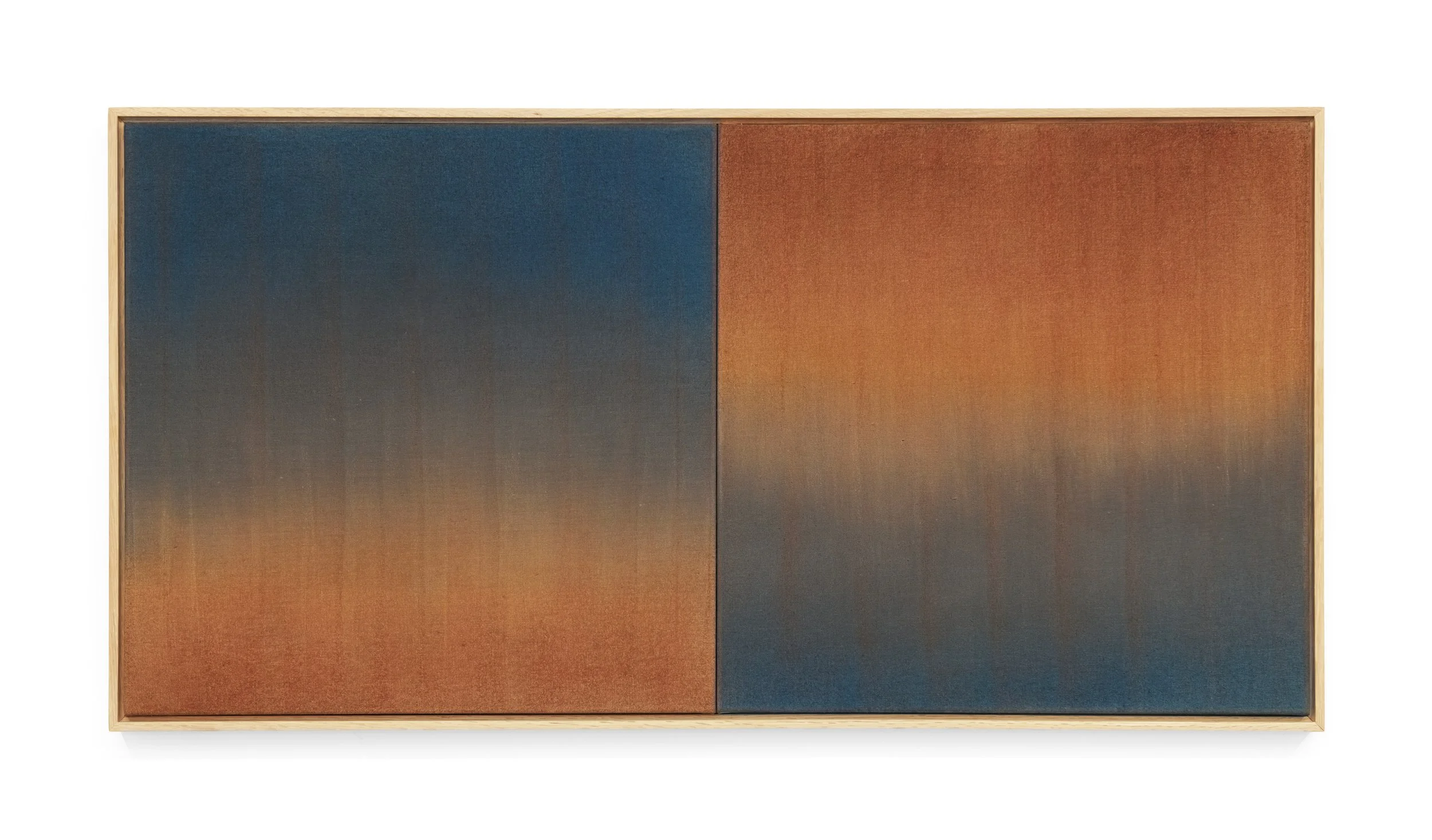
Isadora Gullov-Singh, Going Back and Forth, Acrylic, pastels on linen, 20 x 40 in
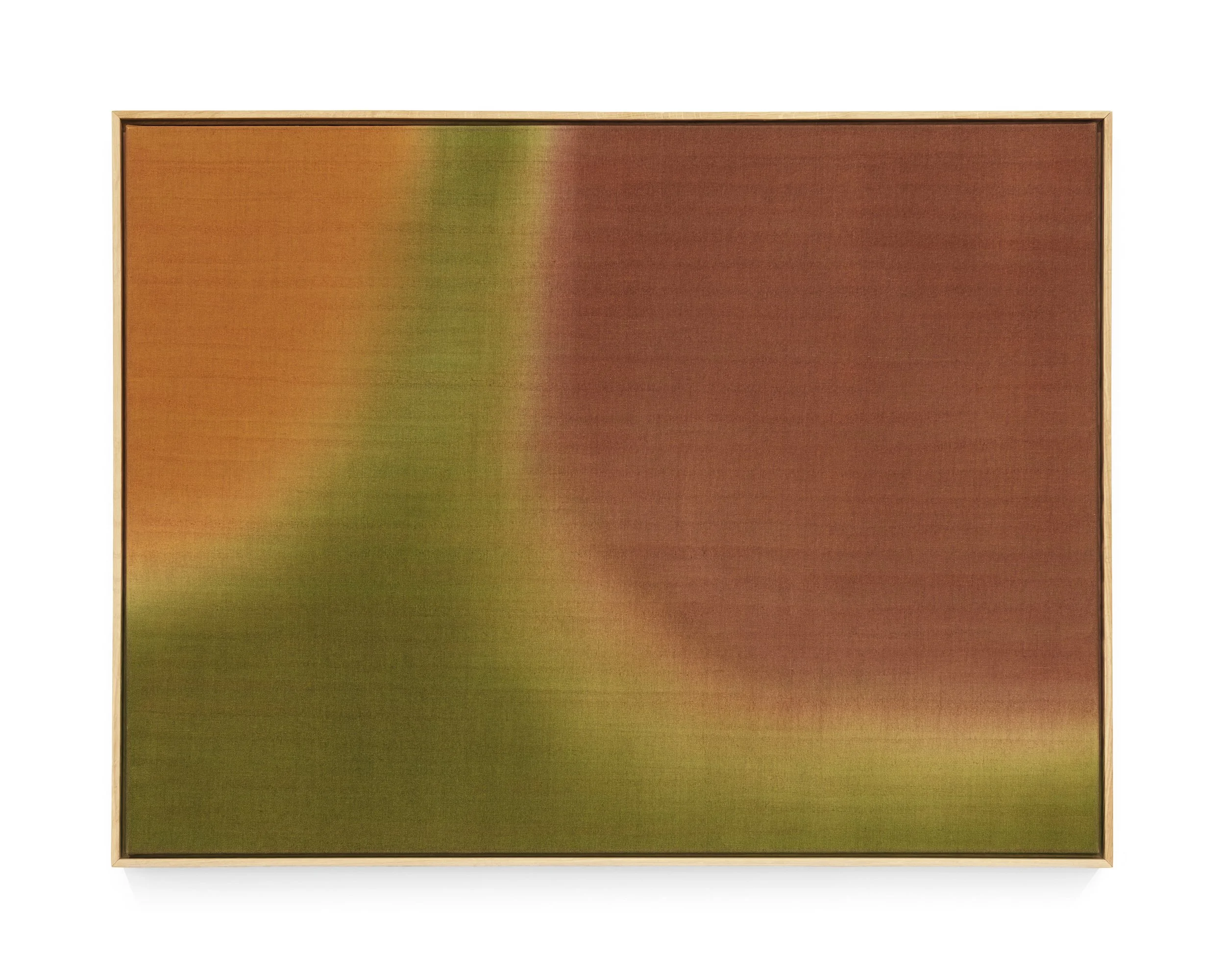
Isadora Gullov-Singh, Across Time, Acrylic, pastels on linen, 30 x 40 in